
Symptoms of Sleep Apnea
Sleep apnea is a sleep related breathing disorder that often goes unrecognized for years.
Many people assume their symptoms are due to stress, aging, or poor sleep habits, when in reality, their breathing is repeatedly interrupted throughout the night.
Because symptoms can appear both during sleep and while awake, sleep apnea affects not only how you sleep, but how you feel and function during the day.
Sleep apnea symptoms often occur during sleep and are frequently noticed by a bed partner or family member.
Common nighttime symptoms include:
Loud, chronic snoring
Pauses in breathing during sleep
Gasping, choking, or snorting sounds at night
Restless or fragmented sleep
Frequent awakenings
Night sweats
Waking with a dry mouth or sore throat
Snoring alone does not always mean sleep apnea — but snoring combined with breathing pauses is a major warning sign.
Common Nighttime Symptoms of Sleep Apnea
Because sleep apnea prevents deep, restorative sleep, symptoms often continue throughout the day.
Common daytime symptoms include:
Excessive daytime sleepiness
Feeling tired despite a full night’s sleep
Morning headaches
Difficulty concentrating or memory problems
Irritability or mood changes
Depression or anxiety
Reduced productivity at work
Increased risk of motor vehicle accidents
Many patients are surprised to learn that sleep apnea can significantly affect mental clarity and emotional well-being.
Common Daytime Symptoms of Sleep Apnea
Women with sleep apnea may experience symptoms that differ from the classic presentation.
Symptoms in women may include:
Insomnia
Fatigue without loud snoring
Morning headaches
Anxiety or depression
Difficulty sleeping
Poor concentration
As a result, sleep apnea in women is often underdiagnosed or misdiagnosed.
Sleep Apnea Symptoms in Women

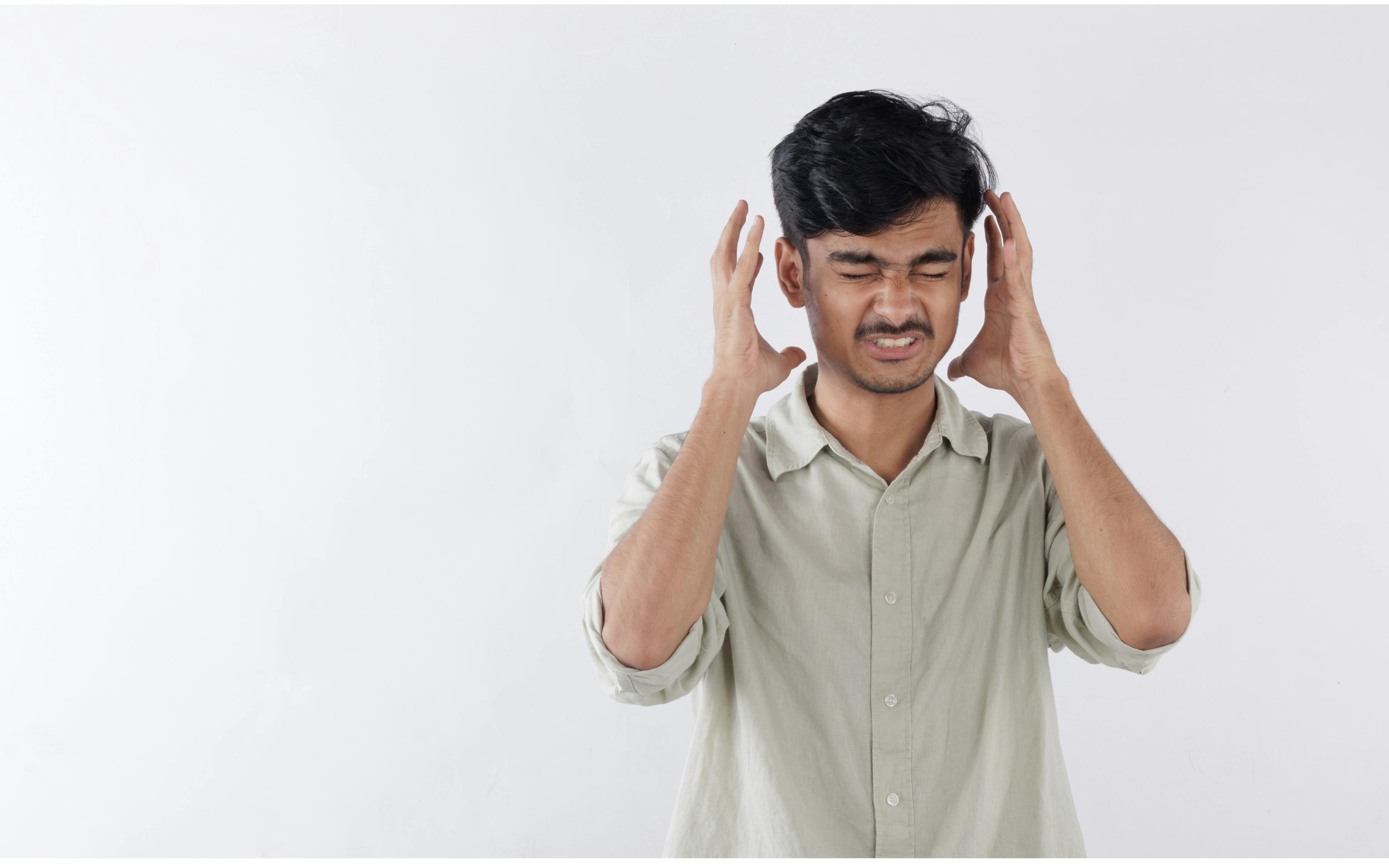
When to Seek Evaluation?
You should consider evaluation if you:
Snore regularly
Feel tired despite adequate sleep
Wake up gasping or choking
Have high blood pressure or heart disease
Have been told you stop breathing during sleep
Have been diagnosed with sleep apnea but struggle with CPAP
A sleep study is required to confirm a diagnosis.
How is Sleep Apnea Diagnosed?
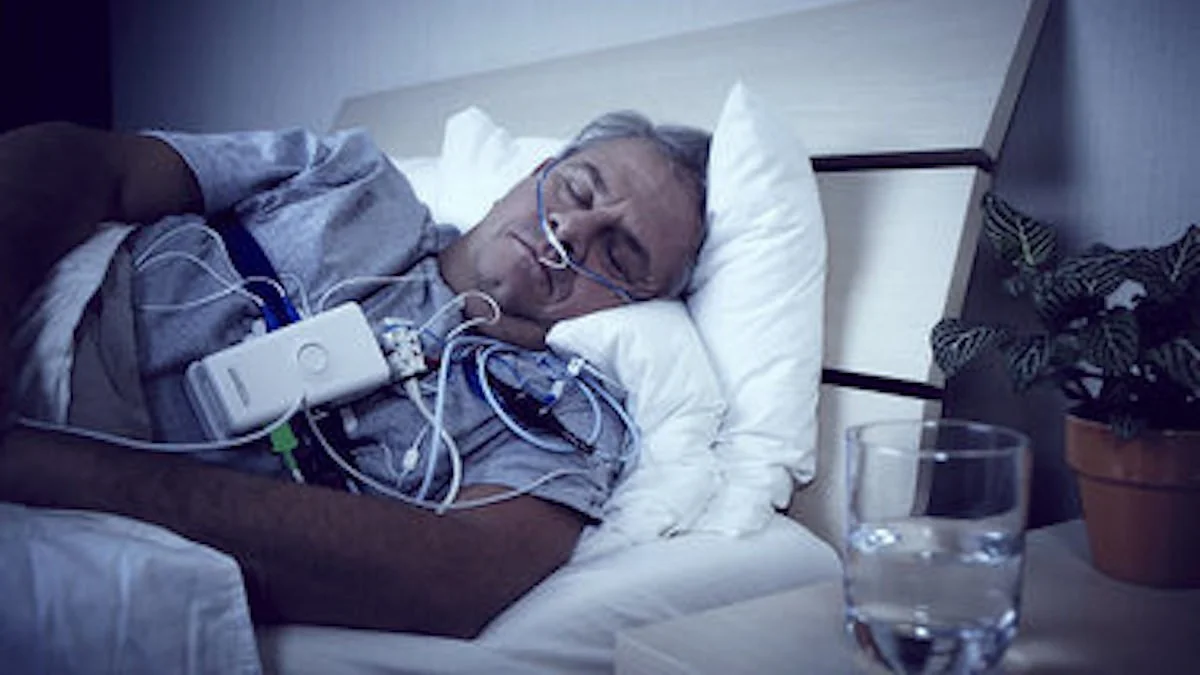
Sleep apnea is diagnosed through a sleep study, either:
an overnight in-lab sleep study, or
a home sleep test prescribed by a medical provider
The study measures breathing patterns, oxygen levels, heart rate, and sleep stages to determine whether sleep apnea is present and how severe it is.
What Happens After Diagnosis?

If sleep apnea is confirmed, treatment options may include:
CPAP therapy
Oral appliance therapy
Lifestyle modifications
Positional therapy
For patients who cannot tolerate CPAP, or prefer a quieter, more comfortable alternative , oral appliance therapy may be an effective option for many cases of obstructive sleep apnea.
Treatment is coordinated with sleep physicians and monitored to ensure effectiveness.
Dr. Ola works closely with:
Sleep Physicians from Corewell Health, Trinity Health, University of Michigan Hospital-West, Holland Hospital and others
Primary Care Providers from all over Grand Rapids and West Michigan
Cardiologists, Pulmonologists and Nephrologists
This ensures your treatment is safe, effective, and medically appropriate.
Take the First Step Toward Better Sleep
If you recognize these symptoms in yourself or a loved one, evaluation is the first step toward better sleep and improved health.