
What is Sleep Apnea?
What is Sleep Apnea?
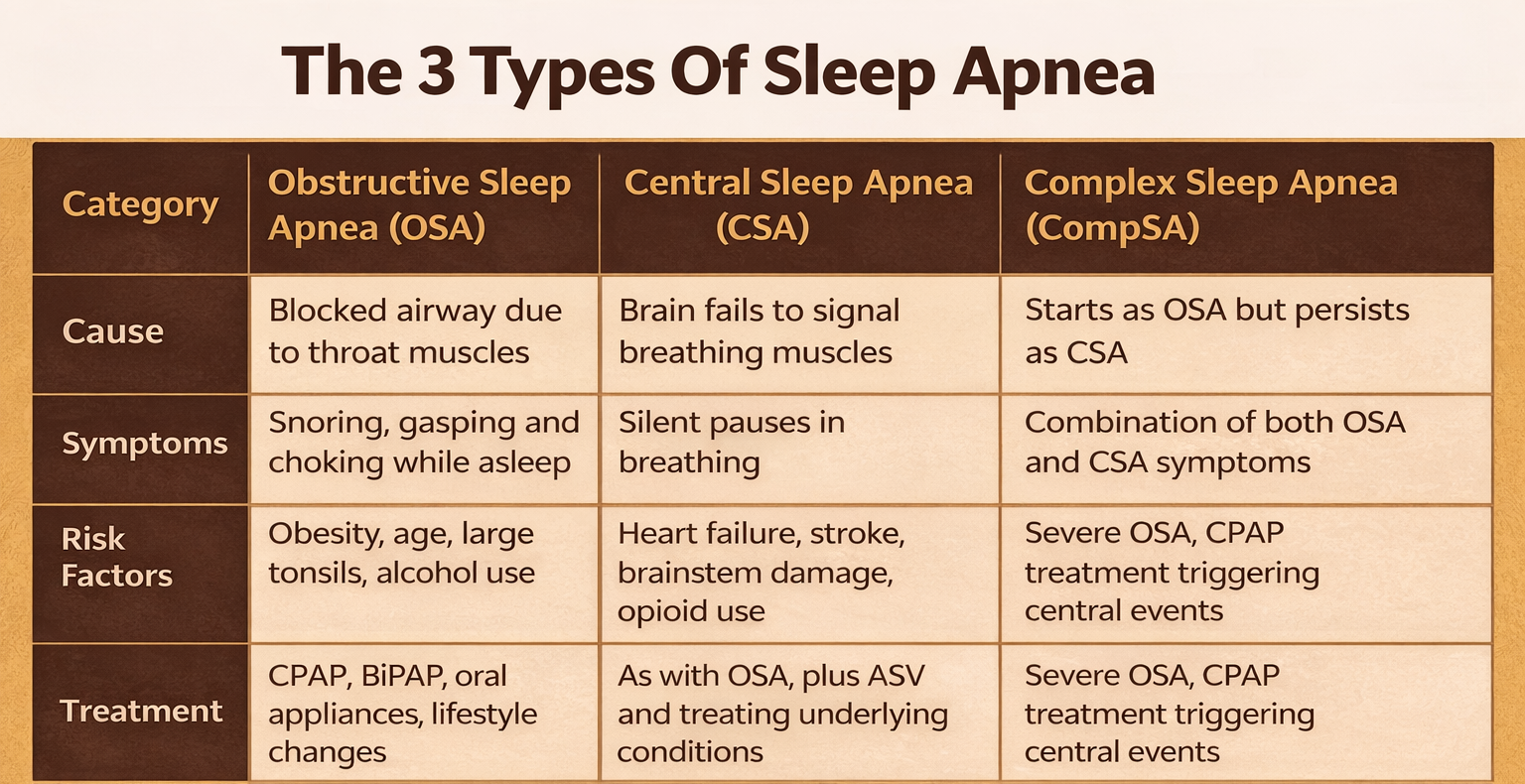
Sleep apnea is a serious medical condition in which breathing repeatedly stops or becomes very shallow during sleep.
These breathing interruptions can occur dozens or even hundreds of times per night, often without the person being aware of them.
Each pause in breathing reduces oxygen levels in the body and forces the brain to briefly wake you up to restart breathing, preventing deep, restorative sleep and placing significant stress on the heart, brain, and blood vessels.
Sleep apnea is common, underdiagnosed, and treatable.
What Are Symptoms of Sleep Apnea?
Sleep apnea symptoms often develop gradually and may be noticed first by a bed partner.
Loud, chronic snoring
Pauses in breathing during sleep
Gasping or choking at night
Excessive daytime sleepiness
Morning headaches
Poor concentration or memory
Irritability or mood changes
Dry mouth or sore throat upon waking
Many patients are surprised to learn that snoring is often a sign of airway obstruction, not just a nuisance.
Why is Sleep Apnea a concern for you?
Untreated sleep apnea is associated with serious medical conditions, including:
High blood pressure
Heart disease and heart attacks
Stroke
Atrial fibrillation
Type 2 diabetes
Depression and anxiety
Memory and cognitive decline
Increased risk of motor vehicle accidents
Because oxygen levels repeatedly drop during sleep, the body remains in a constant state of stress
How is Sleep Apnea diagnosed?
Sleep apnea is diagnosed through a sleep study, either:
an in-lab overnight sleep study
a home sleep test
The sleep study measures breathing patterns, oxygen levels, heart rate, and sleep stages to determine whether sleep apnea is present and how severe it is.
A formal diagnosis is required before treatment with an oral appliance
How is Sleep Apnea treated?
Treatment depends on the severity of sleep apnea and individual patient needs.
Common treatment options include:
CPAP (continuous positive airway pressure)
Oral appliance therapy
Weight management
Positional therapy
Surgical options (in select cases)
For patients who cannot tolerate CPAP, or prefer a quieter, more comfortable alternative, oral appliance therapy is an effective, medically accepted option for many cases of obstructive sleep apnea.
What is Oral Appliance Therapy?
Oral appliance therapy uses a custom made dental device worn during sleep. The appliance gently repositions the lower jaw forward to help keep the airway open.
Benefits include:
Comfortable and quiet
Portable and travel-friendly
No masks or hoses
Covered by medical insurance in many cases
High patient compliance rates
Treatment is coordinated with sleep physicians and monitored to ensure effectiveness.
Take the First Step Toward Better Sleep
If you have been diagnosed with sleep apnea, or suspect you may have it , a consultation with Dr. Ola can help determine whether oral appliance therapy is right for you.