CPAP vs. Oral Appliance
Understanding Your Options for Sleep Apnea
What Is CPAP Therapy?
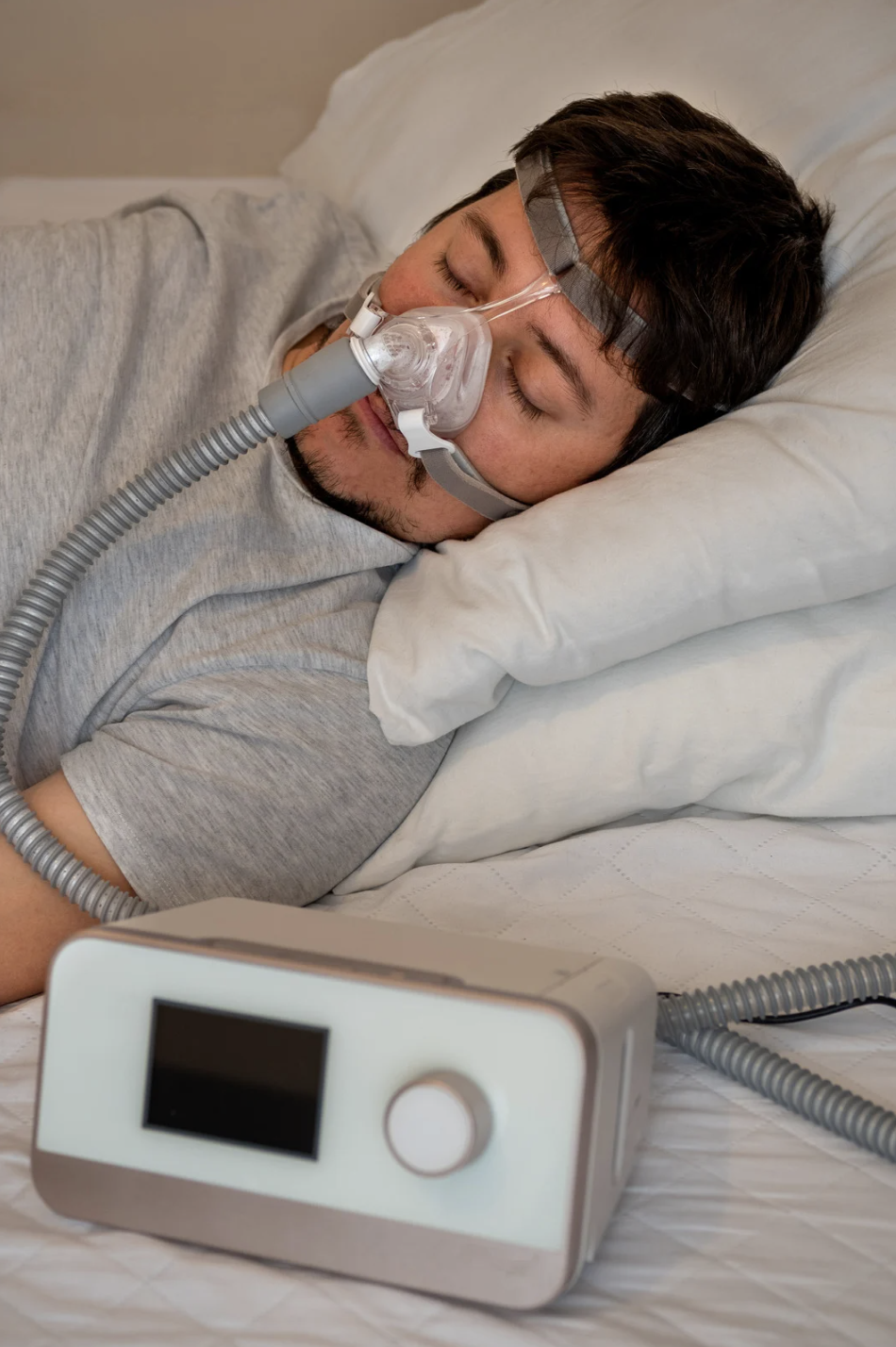
CPAP (Continuous Positive Airway Pressure) uses a bedside machine that delivers pressurized air through a mask to keep the airway open during sleep.
Common challenges with CPAP
Mask discomfort or air leaks
Claustrophobia
Dry mouth or nasal congestion
Noise
Difficulty sleeping in certain positions
Low long-term compliance for some patients
CPAP Advantages
Gold standard for treatment of OSA
Highly effective for moderate to severe sleep apnea
Non-surgical
Widely prescribed by sleep physicians
What is Oral Appliance Therapy?
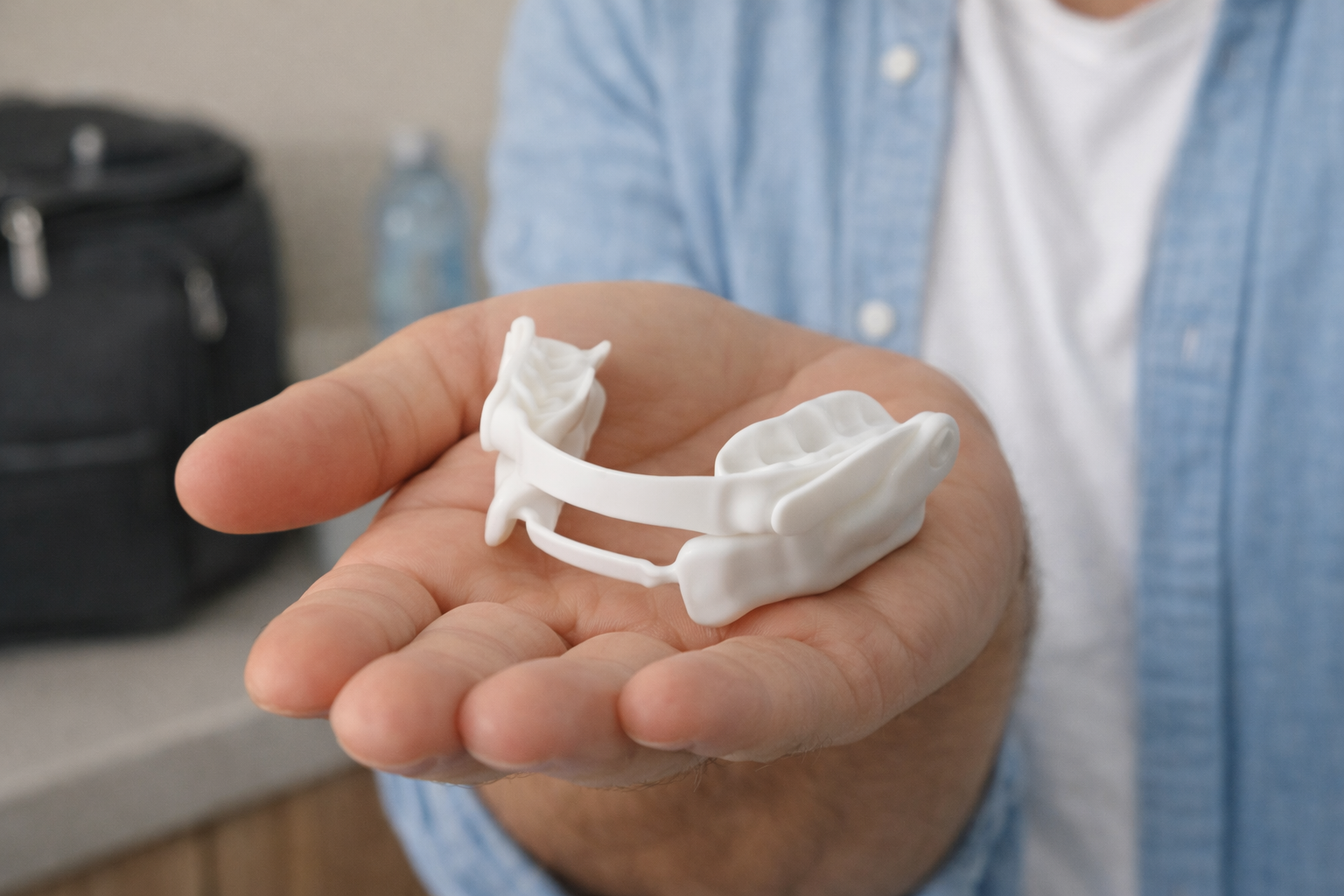
Oral appliance therapy uses a custom-made dental device worn during sleep. The appliance gently positions the lower jaw forward to help keep the airway open.
Oral appliance benefits:
Small, quiet, and comfortable
No mask, hoses, or machine
Easy to travel with
Higher nightly use for many patients
Covered by medical insurance in many cases
Oral appliances are clinically proven for mild to moderate obstructive sleep apnea and for patients with severe sleep apnea who cannot tolerate CPAP.
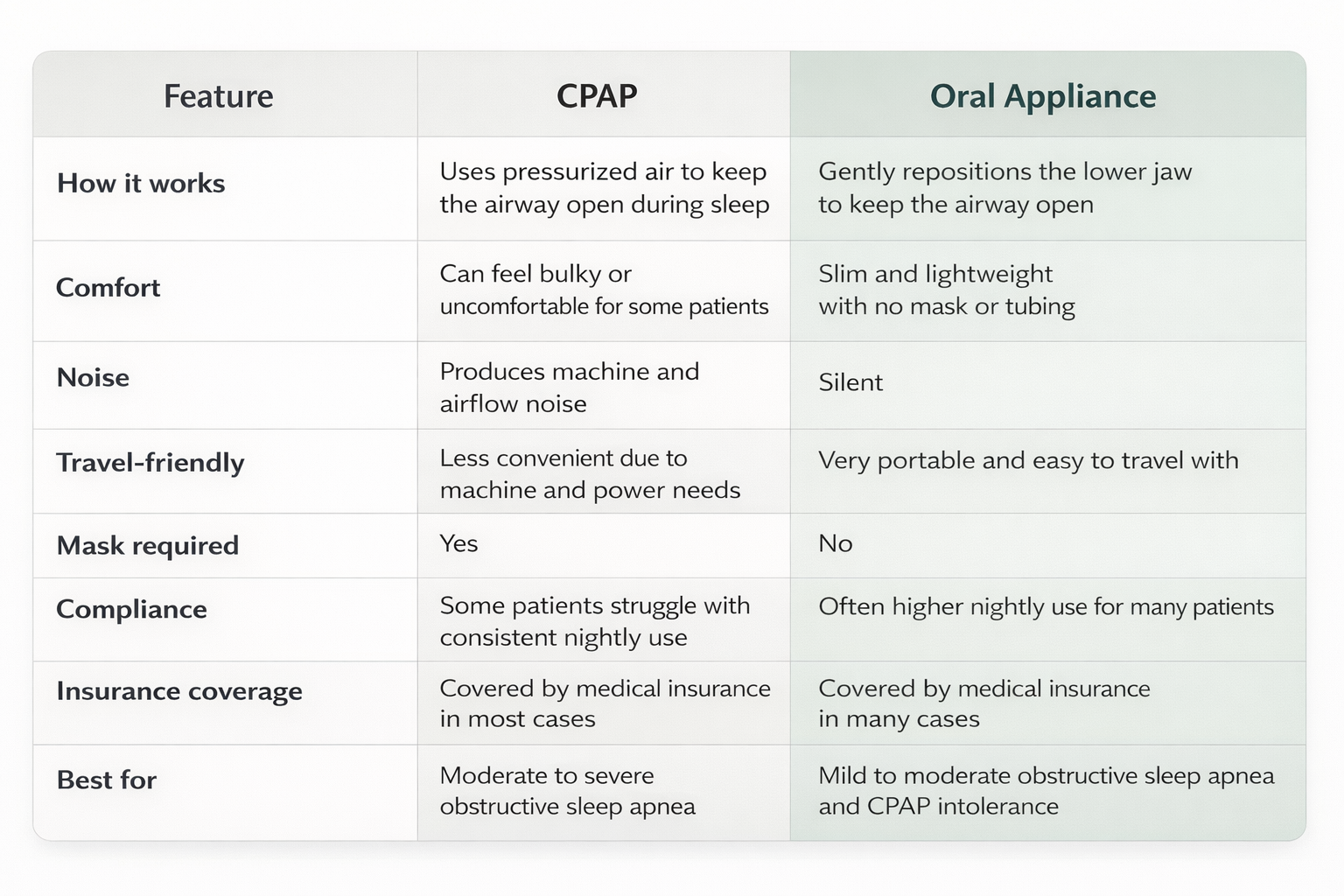
CPAP vs Oral Appliance
Both treatments are effective.
The best option is the one you can use consistently.
Who is a Good Candidate For An Oral Appliance?

You may be a good candidate if you:
Have mild or moderate obstructive sleep apnea
Have been prescribed CPAP but struggle to tolerate it
Snore loudly or have disrupted sleep
Travel frequently
Prefer a smaller, quieter treatment
Want a CPAP alternative approved by sleep medicine guidelines
A sleep study and medical diagnosis are required before treatment.
Is Oral Appliance Therapy Effective?
Yes. Clinical studies show that oral appliances:
Reduce apnea events
Improve oxygen levels
Reduce snoring
Improve daytime sleepiness
Improve blood pressure in some patients
Treatment is carefully monitored and adjusted to ensure effectiveness, in collaboration with your sleep physician.
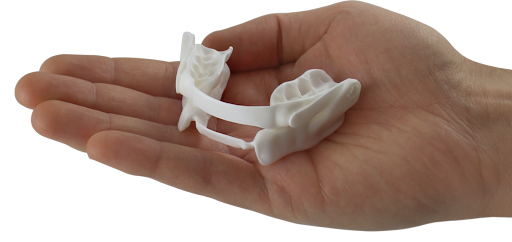
Are there side effects or risks?
Oral sleep appliance therapy is generally safe, but mild side effects may include
Temporary jaw soreness
Tooth discomfort
Increased salivation or dry mouth
These effects often improve with adjustment and follow-up care. Ongoing monitoring helps minimize risks and ensure effective treatment. Every patient receives a morning jaw repositioner to help all
In many cases, oral appliance therapy is covered by medical insurance, not dental insurance.
Coverage typically requires:
A sleep study confirming sleep apnea
A prescription from a medical provider
Treatment by a qualified dental sleep medicine provider
Our team at West Michigan Sleep Network helps guide patients through the insurance and authorization process.
Is Oral Appliance Therapy Covered by Insurance?
Dr. Ola is In-Network and participates with most major medical insurance carriers including:
Blue Cross Blue Shield, Blue Care Network, Priority Health, Medicare, ASR Health Benefits, Tricare, United Healthcare

A Collaborative Approach to Sleep Apnea Care in Grand Rapids
Dr. Ola works closely with:
Sleep Physicians from Corewell Health, Trinity Health, University of Michigan Hospital-West, Holland Hospital and others
Primary Care Providers from all over Grand Rapids
Cardiologists, Pulmonologists and Nephrologists
This ensures your treatment is safe, effective, and medically appropriate.
Not Sure Which Option Is Right for You?
If CPAP hasn’t worked for you, or if you’re exploring alternatives, a consultation with Dr. Ola can help determine whether oral appliance therapy is right for your needs.